
Ear Conditions
Ear Conditions
Ear
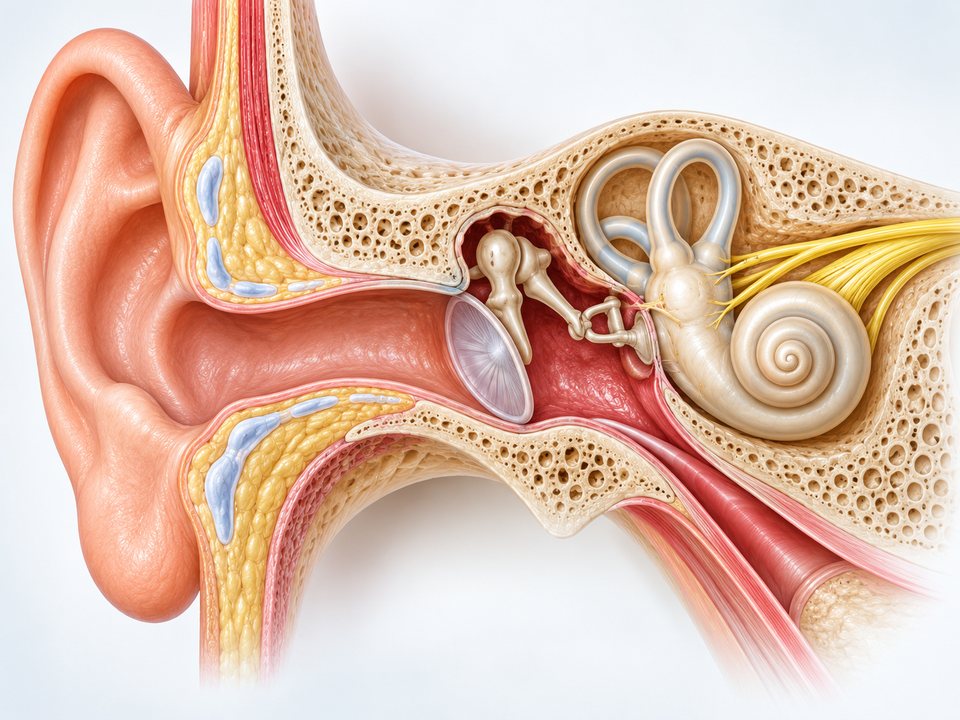
Outer Ear Conditions
01Earwax Build-up (Impacted Cerumen)
Earwax is a natural secretion that protects the outer ear canal. Sometimes, however, it builds up and causes a blocked or full feeling, reduced hearing, a humming sound or itching. Cleaning with cotton buds can push the wax deeper and make symptoms worse. Build-up is also common in people who use hearing aids or in-ear headphones.
The examination assesses the ear canal and the appearance of the eardrum. Where appropriate, the wax may be softened or removed safely by the doctor. If there is a perforated eardrum, ear discharge or previous ear surgery, random drops and ear syringing should be avoided.
02Outer Ear Infection (Otitis Externa)
Outer ear infection may cause pain, tenderness, itching, redness and discharge in the ear canal, and sometimes reduced hearing. Swimming, moisture, cleaning the canal with hard objects or irritated skin can make infection more likely. The pain often becomes sharper when the outer ear is pulled or the entrance to the ear is touched.
Treatment depends on the cause found at examination. Keeping the ear canal dry, suitable ear drops and pain relief come first; oral antibiotics are not needed for every patient. In people with diabetes or a weakened immune system, severe pain and discharge should be assessed more urgently.
03Recurrent Outer Ear Infections
In some people, outer ear infections keep coming back or never fully settle. Constant itching, intermittent discharge, burning and a feeling of fullness may be linked to moisture, skin conditions, earphone use or poor cleaning habits. Not every recurring complaint is caused by a bacterial infection.
The assessment reviews the skin of the ear canal, previous treatments and factors that encourage recurrence. Where needed, fungal infection, eczema or contact allergy are ruled out. Treatment focuses on drops targeted at the cause, skin-care advice, managing contact with water and an appropriate follow-up plan.
04Fungal Ear Infection (Otomycosis)
Otomycosis is a fungal infection of the outer ear canal. It can cause marked itching, a full or blocked feeling, discharge and sometimes reduced hearing. Ears that stay damp for long periods, frequent swimming, cotton bud use and inappropriate use of some ear drops can all contribute.
An ear examination can reveal signs typical of a fungal infection; when necessary, debris in the ear canal is carefully cleaned and antifungal treatment is planned. Keeping the ear dry and completing the full course recommended by the doctor are important. In recurrent cases, underlying skin problems or other predisposing factors may be investigated.
05Ear Eczema and Contact Dermatitis
Eczema of the outer ear and ear canal can cause dryness, flaking, redness, cracking and stubborn itching. Shampoo, hair dye, earrings, earphones, hearing-aid materials or skin-care products can trigger contact sensitivity in some people. Scratching and using cotton buds irritate the skin and can make symptoms worse.
The examination distinguishes infection from allergic or irritant skin changes. Treatment may include avoiding the trigger, appropriate skin care and, where needed, topical treatments prescribed by the doctor. If an infection is also present, the approach is adjusted accordingly.
06Boils and Folliculitis in the Ear Canal
Small inflamed swellings at the entrance of the ear canal can cause sharp pain that gets worse when touched. Often described as a 'pimple in the ear', this may be due to folliculitis or a localised infection. The pain sometimes increases with jaw movement or when the outer ear is touched.
The doctor assesses the location of the swelling and how far the infection has spread. In suitable cases, pain relief, local care and any necessary medication may be enough. Squeezing, lancing or poking lesions inside the ear at home is not recommended; a growing swelling or fever needs to be reassessed.
07Foreign Body in the Ear
Children in particular may get small toy parts, beads or similar objects stuck in the ear canal. In adults, earphone parts, cotton wool or insects may also be found. Symptoms can include sudden discomfort, pain, a blocked feeling, discharge or reduced hearing.
The type and position of the object are assessed by ear examination. Where conditions allow, it is removed by a healthcare professional; in some cases referral to a better-equipped centre may be needed. Urgent assessment is important for button batteries, sharp objects or severe pain. Do not try to remove the object at home with tweezers, sticks or water.
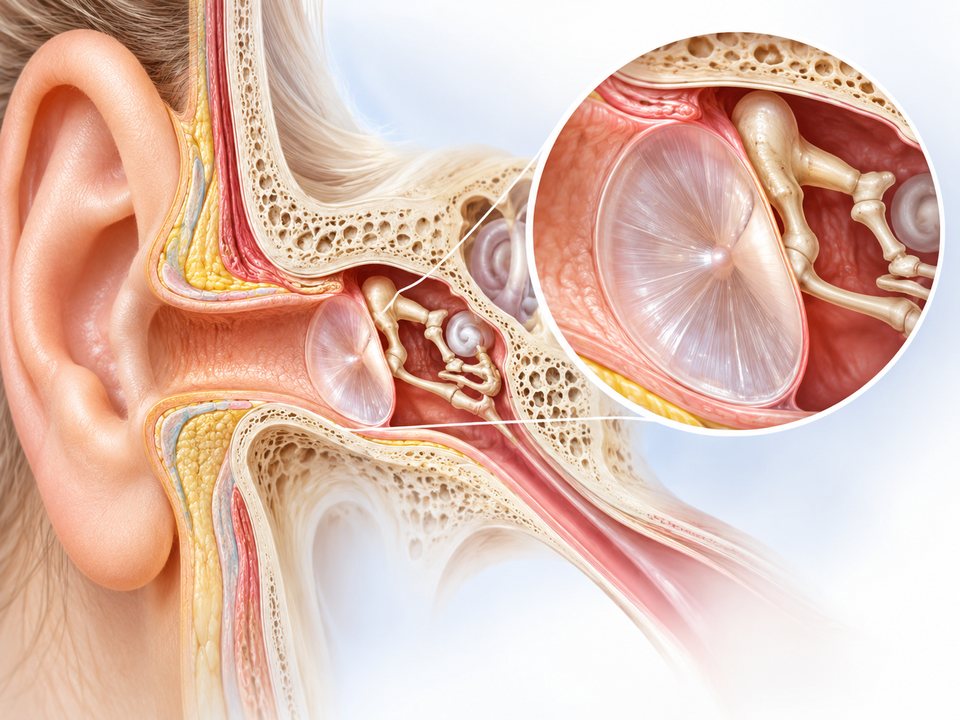
Middle Ear and Pressure Problems
01Acute Middle Ear Infection (Otitis Media)
Acute middle ear infection often develops after an upper respiratory tract infection. Earache, fever, temporary hearing loss and, in children, irritability are among the most common symptoms. In some patients fluid collects behind the eardrum; in others, discharge may develop.
The examination looks at the eardrum and signs in the middle ear. Treatment depends on the patient's age, the severity of symptoms and the examination findings. Pain relief and close follow-up are important, and antibiotics are not automatically needed in every case. Seek help promptly if pain worsens, swelling appears behind the ear, the patient becomes unwell or hearing loss becomes more noticeable.
02Recurrent Middle Ear Infections in Children
Frequent middle ear infections in children can cause earache, fever, restless nights and intermittent hearing loss. Nursery attendance, upper respiratory infections and certain anatomical features may be linked to repeated episodes. Parents sometimes notice a hearing problem when the child turns up the TV or keeps asking people to repeat themselves.
The ENT assessment considers how often infections occur, eardrum findings, whether fluid persists in the middle ear and the child's hearing development. The same treatment is not used for every episode; preventive advice, medication and the follow-up plan are tailored to the child. If hearing or language development is affected, further assessment and, where needed, referral to a specialist centre are arranged.
03Fluid in the Middle Ear (Otitis Media with Effusion)
Otitis media with effusion means fluid behind the eardrum without an active infection. It is more common in children but can also occur in adults. It usually causes little pain; the main symptoms are a feeling of fullness, muffled hearing, turning up the TV and difficulty following conversations.
The condition can be monitored with eardrum examination, hearing tests and, if needed, tympanometry. In many cases the fluid clears on its own over time; avoiding unnecessary medication and regular follow-up are the mainstay of care. In suitable age groups, pressure-equalising exercises may be recommended by the doctor. Long-lasting, one-sided cases or those affecting hearing development should be assessed in detail.
04Eustachian Tube Dysfunction
The Eustachian tube connects the middle ear to the back of the nose and keeps pressure balanced. When it does not work properly, you may feel fullness, blockage, pressure, crackling or muffled hearing. Colds, allergies and pressure changes can trigger these symptoms.
The underlying cause is investigated with ear and nose examination, assessment of eardrum movement and, where needed, hearing tests. Treatment may include managing any associated nasal conditions, medication for suitable patients and pressure-equalising techniques recommended by the doctor. With persistent or one-sided symptoms, it is important to rule out other causes.
05Ear Pressure Problems When Flying (Barotrauma)
Rapid pressure changes during take-off and especially landing can cause ear pain, blockage, temporary hearing loss and crackling. Equalising pressure can be harder for people with a cold, sinusitis or nasal congestion. Rarely, more serious damage to the eardrum or inner ear can occur.
The examination assesses the eardrum and middle ear pressure. Most mild cases settle with time; swallowing, yawning and, for suitable people, gentle pressure-equalising techniques can help. Any medication should be decided by the doctor according to the patient's health. Severe pain, bloody discharge, dizziness or persistent hearing loss need prompt assessment.
06Diving-Related Ear Pressure and Balance Problems
Because pressure changes quickly in scuba and free diving, equalising the ears is essential. A pressure imbalance can cause severe ear pain, fullness, hearing loss, tinnitus and sometimes dizziness. Diving with nasal congestion, an upper respiratory infection or an existing ear condition increases the risk.
For symptoms after diving, the eardrum, hearing and balance are assessed. Stop diving once symptoms appear; sudden hearing loss or vertigo in particular need urgent specialist assessment. Preventive advice covers ear health, good equalising habits and whether it is medically safe to return to diving.
07Perforated Eardrum – Examination and Follow-up
A hole in the eardrum can result from infection, injury, sudden pressure change or objects inserted into the ear. It may cause ear pain, discharge, reduced hearing and sometimes tinnitus. Some small, recent perforations heal on their own.
The ENT examination assesses the size of the perforation, any infection and hearing, and a follow-up plan is made. During this time it is important to keep the ear dry and not to use drops without medical advice. If the perforation does not heal, keeps getting infected or causes significant hearing loss, referral to a specialist centre for surgical assessment may be needed.
08Chronic Middle Ear Infection and Ear Discharge – Assessment
Long-lasting or frequently recurring ear discharge, changes in the eardrum and hearing loss may be signs of chronic middle ear disease. Even with little pain, some patients may have a progressive problem in the ear structures. Foul-smelling or persistent discharge in particular should not be ignored.
The examination identifies the source of the discharge and assesses the eardrum and hearing level; suitable patients can be followed up with infection control and preventive care advice. However, if a structural condition such as cholesteatoma or a complication is suspected, referral to a centre offering further investigation and surgery is needed. This section covers diagnosis and safe referral, not a promise of surgery.
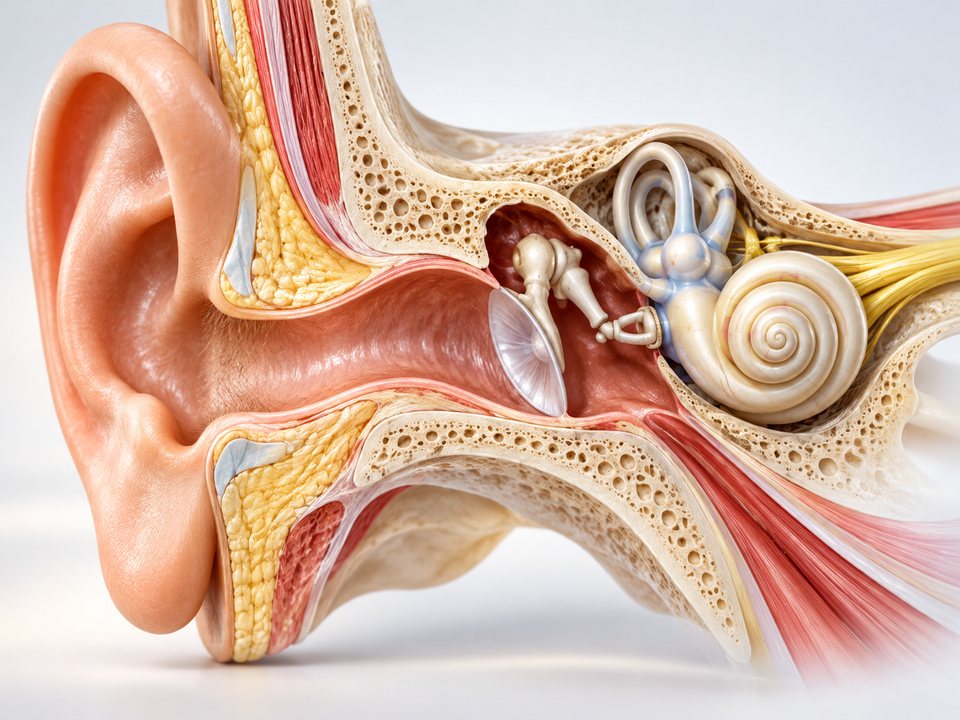
Hearing Loss and Tinnitus
01Hearing Loss and Reduced Hearing
Asking people to repeat themselves, struggling to follow speech in a crowd, turning up the TV or hearing less in one ear than the other can all be signs of hearing loss. The cause may be easily treatable, such as earwax, or it may arise in the middle or inner ear.
The ENT examination checks the ear canal and eardrum; if needed, audiological tests determine the type and degree of hearing loss. Treatment is planned according to the cause. For suitable patients, options include medical treatment, hearing rehabilitation, hearing-aid advice or referral to a specialist centre.
02Sudden Hearing Loss – Urgent Assessment
A marked drop in hearing in one ear, or more rarely both, developing over hours or a few days needs urgent medical assessment. Patients sometimes wake up to find they cannot hear in one ear; fullness, tinnitus or dizziness may also be present. Waiting in the belief that it is just earwax or a simple blockage can be harmful.
A prompt ENT assessment and hearing test are important to find the cause. For suitable patients, the doctor may start early medication or arrange urgent referral to a specialist centre. To avoid missing the window for treatment, sudden hearing loss should be seen by a healthcare provider the same day.
03Age-Related Hearing Loss (Presbycusis)
With age, it can become harder to hear high-pitched sounds and to follow conversations in noisy places. People often say they can hear sounds but cannot make out the words clearly. This can affect social communication, daily life and quality of life.
Along with an ear examination, hearing tests assess the level and nature of the loss. The aim is not always to restore hearing completely but to improve communication. Hearing aids, assistive listening devices, communication tips for family and friends, and regular check-ups can be planned for each person.
04Noise-Induced Hearing Loss
Loud music, concerts, long periods of loud listening through headphones and noisy workplaces can damage hearing over time. Because the loss develops slowly, most people do not notice it at first. It may be accompanied by tinnitus and difficulty understanding speech, especially in crowded places.
A hearing assessment measures the degree of loss. Permanent noise-induced damage usually cannot be reversed, so prevention is key. Suitable ear protection, reducing noise exposure, safe listening habits and, if needed, hearing rehabilitation can be planned.
05Ringing in the Ears (Tinnitus)
Tinnitus is hearing ringing, humming, buzzing or whistling sounds when there is no external sound. It may come and go or be constant, and can affect sleep and concentration. It can be linked to hearing loss, noise exposure, earwax or certain medicines, among other causes.
The assessment considers whether tinnitus affects one or both ears, how long it has lasted, hearing and any other symptoms. If there is a treatable underlying cause, that is addressed first. Where needed, non-surgical options such as hearing support, sound therapy and counselling to reduce its impact on daily life may be considered.
06Pulsatile Tinnitus
Some people hear a beating or whooshing sound in their ears in time with their heartbeat. Pulsatile tinnitus is assessed differently from ordinary tinnitus; it may sometimes be related to blood vessels, blood flow or other medical causes.
The ENT assessment looks at the nature of the sound, whether it affects one or both ears and any hearing complaints. Imaging or input from other specialties may be requested if needed. New, one-sided or pronounced pulsatile tinnitus should be examined without delay. Treatment can only be planned once the underlying cause is known.
07Sound Sensitivity (Hyperacusis)
Hyperacusis is when ordinary everyday sounds feel uncomfortably loud or even painful. The clatter of dishes, traffic, crowded places or household appliances can be hard to bear. It can occur alongside other conditions such as tinnitus and migraine.
The assessment examines hearing and possible associated causes. For suitable patients, gradual sound-exposure programmes, counselling and, where needed, collaboration with other specialists can help. Because avoiding all sound by constantly wearing earplugs can make sensitivity worse in some people, personalised advice is important.
08Medication-Related Hearing and Balance Problems
Under certain conditions, some medicines can affect the inner ear and cause tinnitus, hearing loss or balance problems. The risk depends on the medicine, the dose, the length of treatment and the person's health. Not everyone who takes such medicines develops a problem.
For new ear symptoms, the list of medicines and when the symptoms started are reviewed. If needed, hearing tests are carried out and the risks and benefits are reviewed together with the prescribing doctor. Patients should not stop a medicine or change the dose without consulting their doctor.
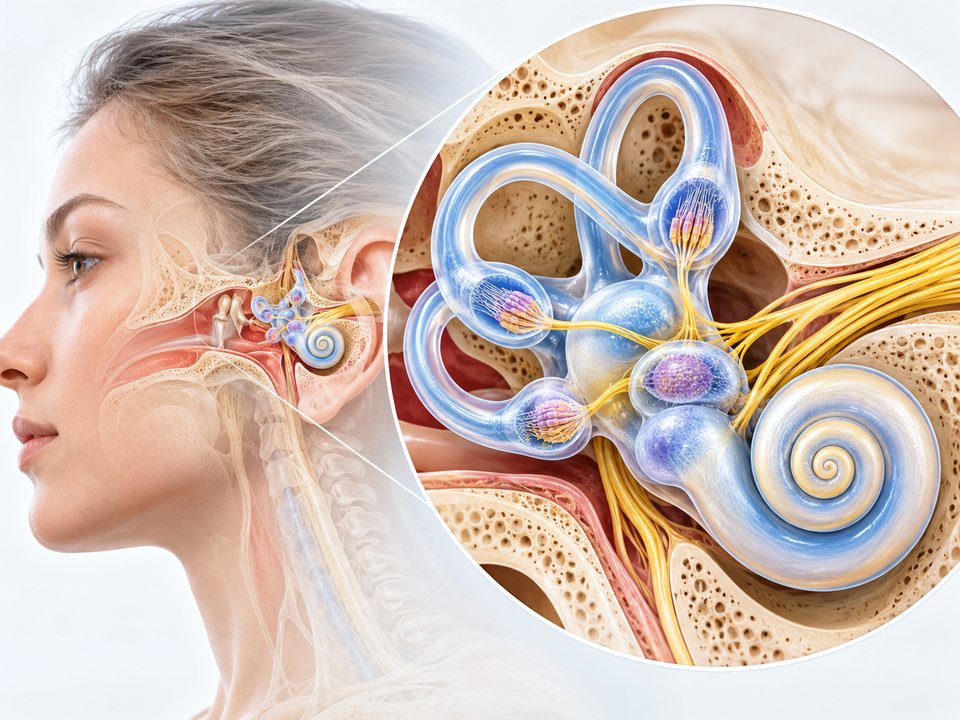
Dizziness and Inner Ear Balance Disorders
01Positional Vertigo (BPPV / Displaced Ear Crystals)
A spinning sensation lasting a few seconds when turning over in bed, tipping the head back or bending down and straightening up may suggest benign paroxysmal positional vertigo (BPPV). It is caused by displaced balance crystals in the inner ear. Although attacks are brief, they can disrupt daily life and increase the risk of falls.
The doctor can identify the type of vertigo from the history and specific positional tests. When BPPV is confirmed, crystal repositioning manoeuvres such as the Epley manoeuvre are non-surgical treatment options for suitable patients. Not all dizziness is BPPV; new neurological symptoms in particular may point to another, urgent cause.
02Ménière's Disease
Ménière's disease can cause episodes of vertigo with ear fullness, tinnitus and fluctuating hearing loss. During attacks there may be nausea, loss of balance and an inability to carry on with daily activities. Because similar symptoms occur in other conditions, a definite diagnosis cannot be made from symptoms alone.
Assessment includes ENT examination, monitoring of hearing and additional tests where needed. Non-surgical approaches such as controlling attacks, suitable medication, reviewing personal triggers, dietary changes and balance rehabilitation may be used. Follow-up is planned according to how symptoms progress.
03Vestibular Neuritis (Inflammation of the Balance Nerve)
Vestibular neuritis usually starts suddenly with severe spinning that can last hours or days, together with nausea and unsteadiness when walking. Marked hearing loss is not typical. However, sudden and continuous vertigo, especially the first time it happens, can resemble some neurological emergencies.
The examination looks at eye movements, walking and balance; urgent further assessment is arranged if needed. For suitable patients, short-term symptom control followed by vestibular rehabilitation can support recovery. Double vision, slurred speech, or weakness in an arm or leg require emergency help.
04Labyrinthitis (Inner Ear Inflammation)
Labyrinthitis affects the inner ear structures responsible for balance and hearing, and can cause vertigo, nausea, unsteadiness, hearing loss and tinnitus. Symptoms may start suddenly and make daily life considerably harder. Unlike vestibular neuritis, hearing symptoms may also be present.
The assessment combines ear examination, hearing tests and balance findings. Treatment depends on the likely cause and clinical picture; in some cases medication and balance rehabilitation may be recommended. People with sudden hearing loss or severe, continuous vertigo should be assessed without delay.
05Vestibular Migraine
Vestibular migraine can cause recurrent vertigo, sensitivity to motion, unsteadiness and sometimes intolerance of light or sound, with or without headache. The length and severity of attacks vary from person to person. It is sometimes confused with Ménière's disease or BPPV.
Diagnosis relies on a detailed history, ear and balance assessment and, where needed, a neurology opinion. For suitable patients, non-surgical approaches such as regular sleep and meals, managing triggers, stress control, vestibular rehabilitation and medication chosen by the doctor can be used.
06Imbalance and Persistent Light-headedness
Balance problems are not always felt as the room spinning. They may also appear as swaying when walking, a feeling of walking on air, discomfort that worsens with movement or a constant light-headed feeling. Besides inner ear conditions, vision, neurological, circulatory or medication-related causes can be responsible.
The ENT assessment considers when symptoms began, how long they last, their link with hearing and the balance examination. Where needed, investigations and rehabilitation are planned together with other specialties. Sudden inability to walk, slurred speech, weakness in the arms or legs, or a severe new headache require emergency assessment.

Ear Complaints in Children and Everyday Life
01Earache (Otalgia) and Referred Ear Pain
Earache is not always caused by an ear problem. As well as outer and middle ear infections, dental problems, jaw joint disorders and throat conditions can cause pain felt in the ear. Whether the pain worsens with chewing, swallowing or touching the outer ear can help identify the cause.
The examination covers the ear and, where needed, the throat, mouth and jaw. Treatment is planned according to the source of the pain, avoiding unnecessary ear drops or antibiotics. Severe pain, discharge, fever, hearing loss or swelling behind the ear need prompt assessment.
02Ear Fullness, Blocked Ears and Crackling
Pressure, blockage, a feeling of water in the ear or crackling when swallowing are very common complaints. They may be related to earwax, Eustachian tube dysfunction, fluid in the middle ear or other hearing problems. Because the same symptom can have different causes, self-diagnosis is not advisable.
The ear canal and eardrum are examined; a hearing test and middle ear pressure measurement may be requested if needed. Treatment depends on the cause: sometimes monitoring or ear cleaning is enough, while at other times treating associated nasal problems is important. Fullness that starts together with a sudden drop in hearing should be assessed without delay.
03Assessing Hearing Problems in Babies and Children
A baby who does not react as expected to loud sounds, a child who does not turn when called, delayed speech development or frequently asking for things to be repeated may all call for a hearing assessment. Causes range from temporary problems such as earwax and fluid in the middle ear to congenital or acquired hearing loss.
The situation is assessed with an age-appropriate ear examination and the necessary hearing tests; where needed, the child is referred to paediatric audiology and other relevant specialties. Early diagnosis is important for supporting language and communication development. If newborn hearing screening gives an unclear result, the recommended follow-up tests should not be delayed.